
A Radical Proposal to Preserve Cell and Gene Therapy Innovation
Cell and gene therapies are amazing medical breakthroughs but if we don’t find ways to pay for them, the development pipeline will fail.
Cell and gene therapies are amazing medical breakthroughs but if we don’t find ways to pay for them, the development pipeline will fail.

OMass’s molecule is vying to become an alternative to a Neurocrine Biosciences drug that is currently the only FDA-approved therapy for congenital adrenal hyperplasia. But Vertex Pharmaceuticals could also compete with a drug candidate from a recent acquisition.

Enterprise EHR boosts scalability, interoperability, and governance for large healthcare systems.

This is not a discovery problem. It is a market entry and access problem, and it is far more tractable than the pipeline crisis we spend most of our attention on.

Iambic Therapeutics, an AI-enabled biotech company, will apply the IPO proceeds toward clinical development of its pipeline of internally discovered and wholly owned cancer drugs. Iambic also has R&D alliances with companies such as Bayer and AbbVie.

Ultragenyx Pharmaceutical sold two priority review vouchers, each from an FDA approval of a gene therapy. Both therapies came from business deals and proceeds from the voucher sales put Ultragenyx in a better financial position to pursue yet another deal for a rare disease asset.

Corporate venture funds often chase financial returns while ignoring strategic value. Here’s what it takes to turn healthcare portfolio investments into lasting business impact.

Small practices play a critical role in healthcare delivery, but they cannot continue to absorb ever-increasing administrative demands without consequences.

Asahi Kasei’s Hovilpri is now approved for treating lesions caused by herpes simplex virus infection. This daily pill came from the $919 million acquisition of AiCuris Anti-Infective Cures.

The pace of change in digital innovation has exposed the ever-widening gap between digital health and Pharma commercial teams. As a result, Pharma is missing out on its ability to significantly improve its commercial model, by focusing on efficiencies vs. truly reinventing.

No longer satisfied with buying pharmacies and clinics, it seems intent on owning the healthcare journey, and perhaps redrawing pharma’s commercialization map.

Forbion’s new capital will support two funds that will invest in about 30 companies combined. The new funds for Netherlands-based Forbion come amid a decline in VC fundraising and investments in Europe, according to Pitchbook.


We have the opportunity to design systems that give people greater capacity for the work where human presence matters most: listening, understanding, reassuring, deciding, and caring.

Shionogi’s IntraBio acquisition brings Aqneursa, a drug approved for treating two rare neurological disorders and the potential to expand to additional indications, both rare and common. It’s Shionogi’s second big rare disease move this year, following the acquisition of global rights to an amyotrophic lateral sclerosis drug from Tanabe Pharma.

Pfizer’s Litfulo significantly improved skin pigment measures in two pivotal studies in vitiligo, results that were presented during the European Academy of Dermatology and Venereology annual meeting. If Pfizer’s daily pill is approved, it would compete against an Incyte topical cream that is currently the only FDA-approved therapy for this autoimmune skin disorder.
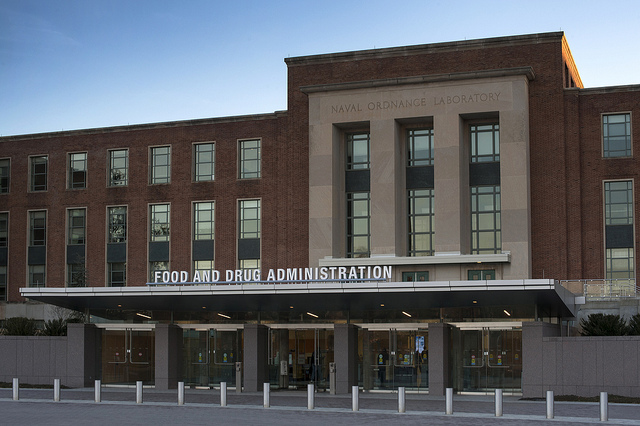
The FDA is recruiting to fill vacancies on its advisory committees, informally known as adcomms. While these committees have met less frequently during the Trump administration, more meetings have been scheduled since former Commissioner Marty Makary left the agency in May.
Mirum Pharmaceuticals’ Atebrioz is the third FDA-approved drug for fibrodysplasia ossificans progressiva (FOP), but it brings advantages over the two other products for this rare disease that leads to bone growth in soft tissue. Mirum acquired Atebrioz from Incyte earlier this year.

Eli Lilly’s partnership with InnoCare Pharma follows deals struck this year with other China-based companies. While indications for the new alliance remain undisclosed, InnoCare specializes in oncology and autoimmune drugs.